Olaya Parking Project
Olaya Parking Project
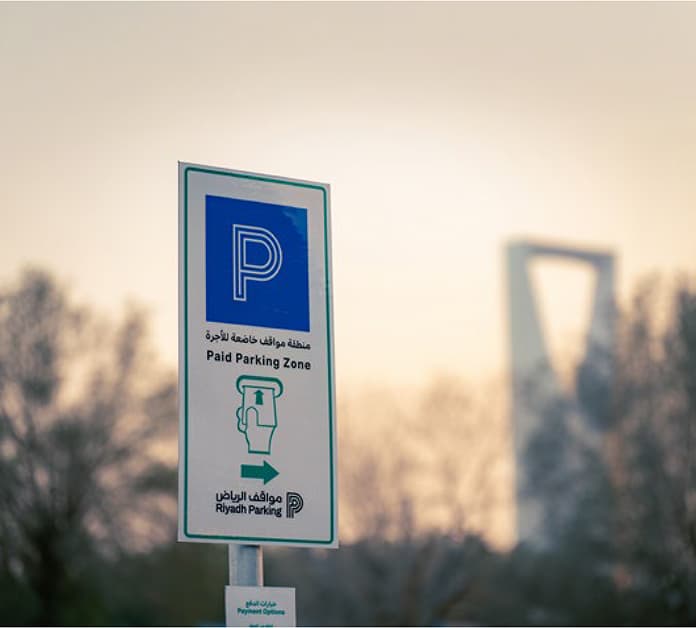
Through a partnership agreement signed with mawgif in 2024, Remat Al-Riyadh has taken responsibility for over 5,500 parking spaces in the Olaya district for the next 20 years.
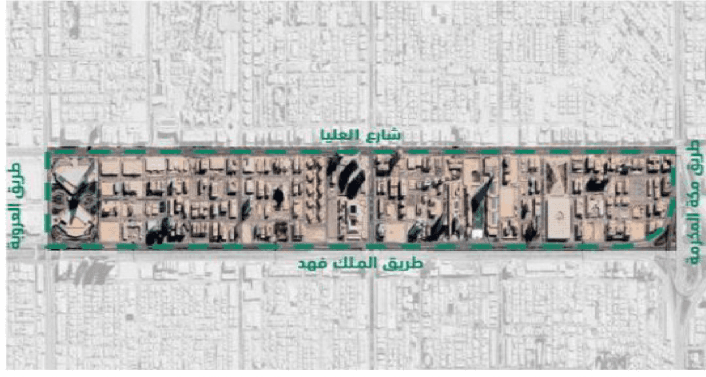
The project includes planning, operating and maintaining these paid car parking spaces, which are in public and commercial streets covering 13 distinct land plots between Olaya district and King Fahad Road, in order to maximize efficiency and revenue.
The project boosts parking efficiency in one of Riyadh’s key districts, maximizing returns and reinforcing Olaya’s role as a major urban hub in the capital.
Partner

Date contract signed
Contract duration
Dedicated on-street parking space
Dedicated off-street parking spaces
Number of areas

Off-Street Public Parking
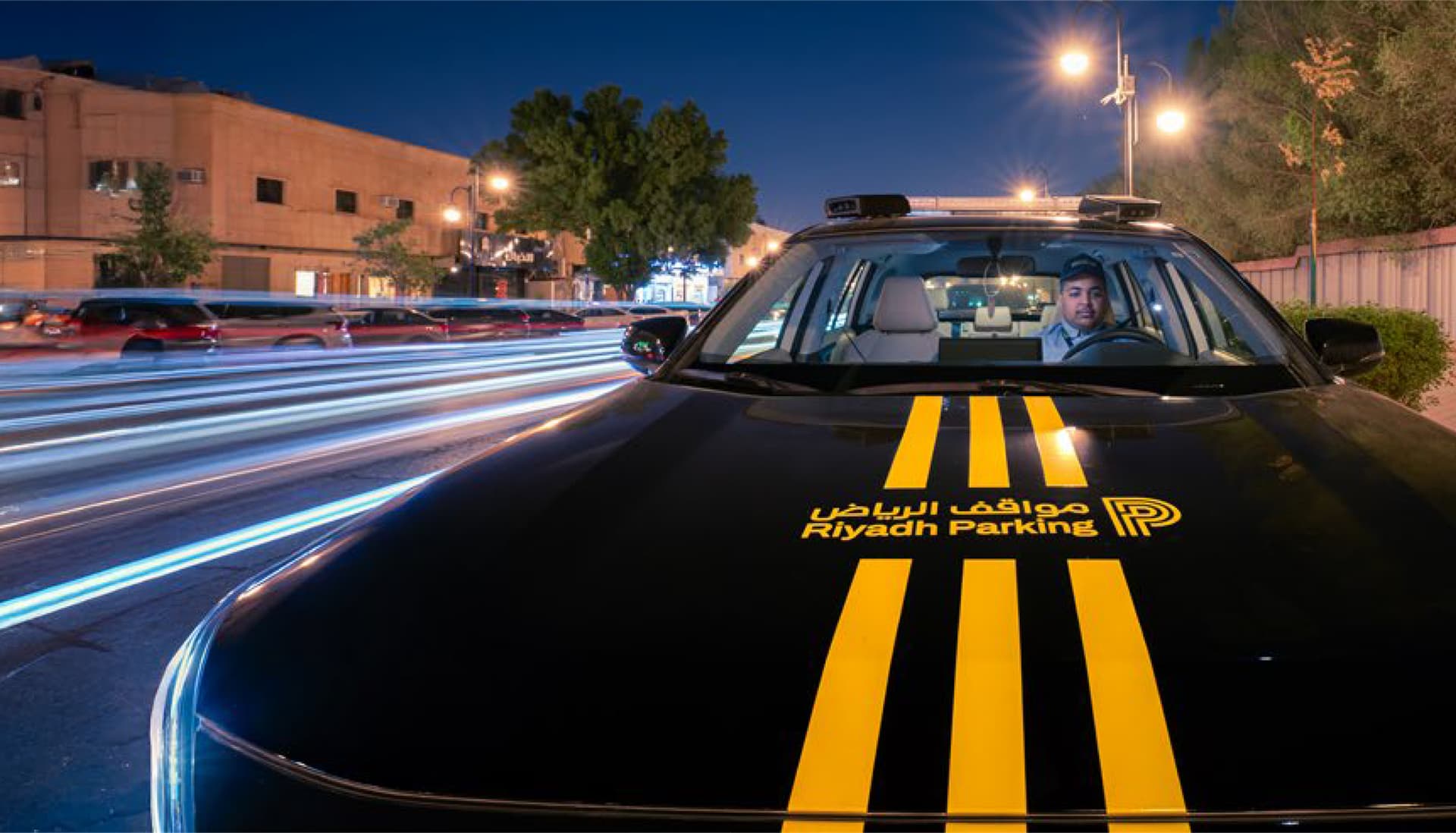
Remat Al-Riyadh is advancing its Off-Street Parking Masterplan, targeting key commercial and administrative zones across the city.
The project includes planning, operating and maintaining these paid car parking spaces, which are in public and commercial streets covering 13 distinct land plots between Olaya district and King Fahad Road, in order to maximize efficiency and revenue.
The planincludes 43 locations, distributed across mechanical, multi-storey and surface parking facilities. Once implemented, each site will be equipped with digital access control systems, real-time occupancy tracking and integrated payment options to provide seamless customer experience and robust operational oversight. The initiative is designed to validate the demand for structured parking solutions and demonstrate Remat Al-Riyadh’s ability to rapidly mobilize infrastructure projects in collaboration with the private sector.

As part of the broader masterplan efforts, Remat Al-Riyadh also developed a comprehensive Off-Street Parking Design Guideline, introducing clear technical, planning and architectural criteria.
The guideline outlines varying levels of adherence to the Al-Salmani Code, while also encouraging key urban design features such as activated rooftops that integrate with the wider public realm, and active retail components of up to 25% of the total GFA to enhance street-level vibrancy. It promotes the adoption of best practices in parking technology, smart management systems and the
Similar projects